

About Us
embyt started business in 2008 as an individual enterprise and continuously emerged over the years. We are located in Vienna, Austria and serve customers from small-size companies up to global players.
Energy Management
Embyt has many years of experience in the field of energy management. We develop customized solutions tailored specifically to the needs of our customers.
Peak Load Management
In the area of peak load management, we offer innovative and efficient solutions to manage peak loads and optimize energy use.
OCPP Backend
For managing charging stations cloud-based or locally, we offer all kind of turnkey solutions.
Advantages
Advantages
Grid cost savings
Monitoring
Charging Management
OCPP Backend
Customizable
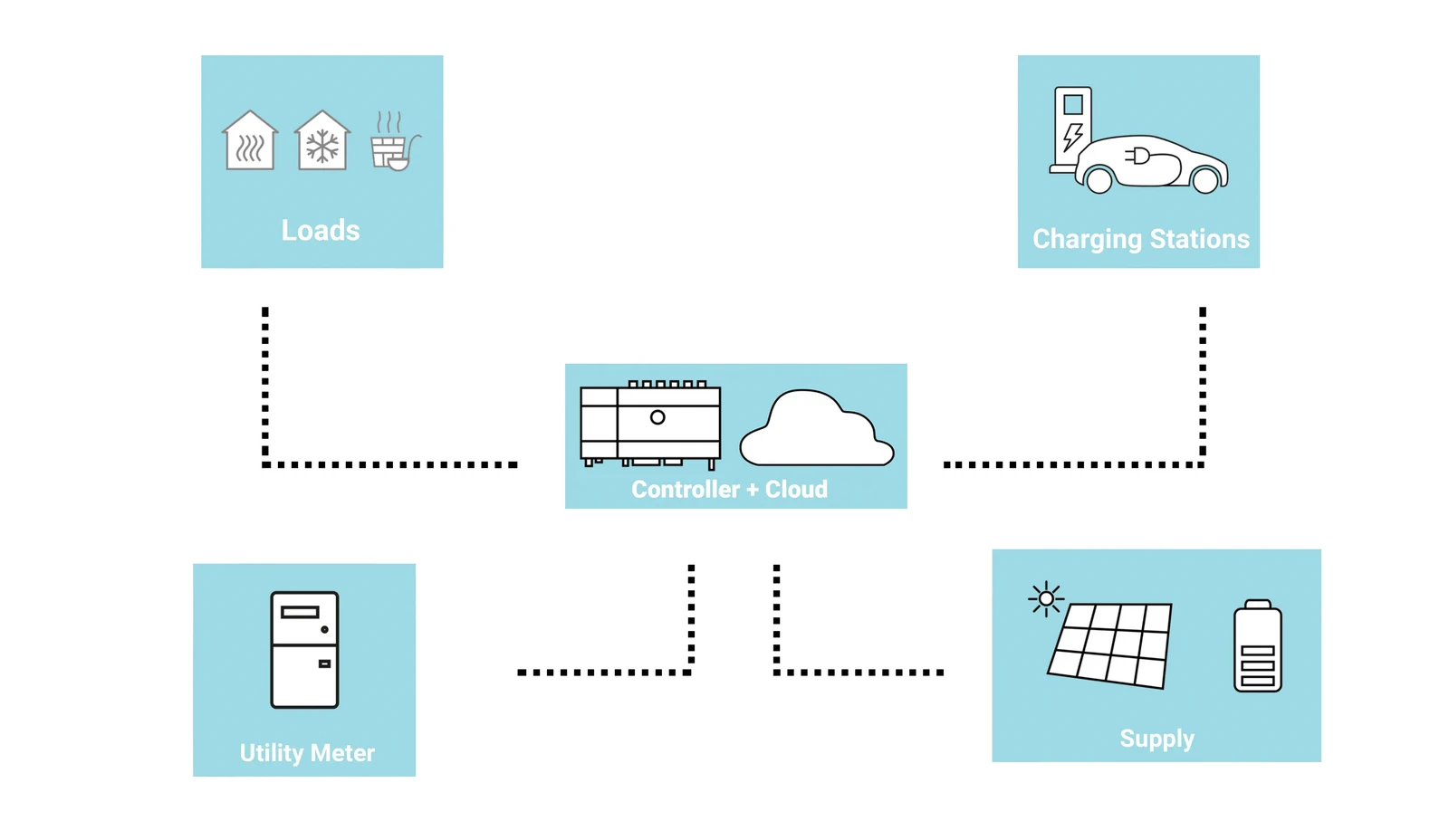
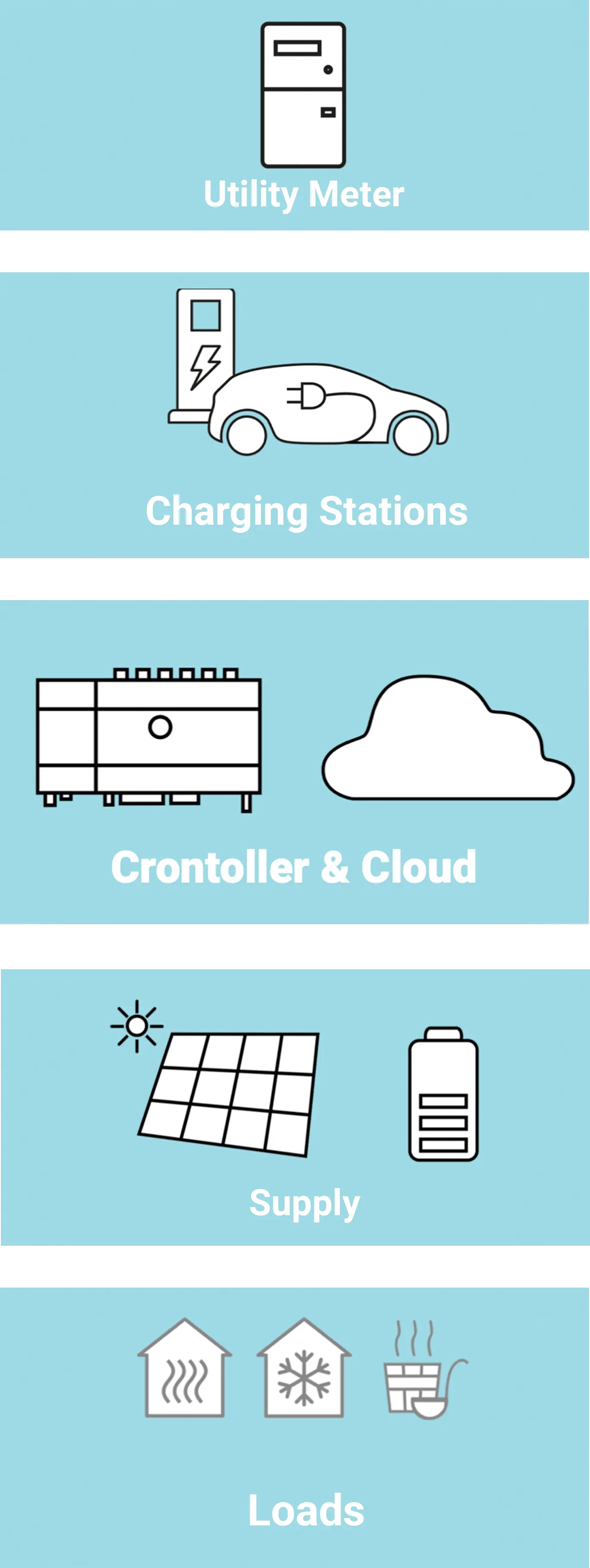
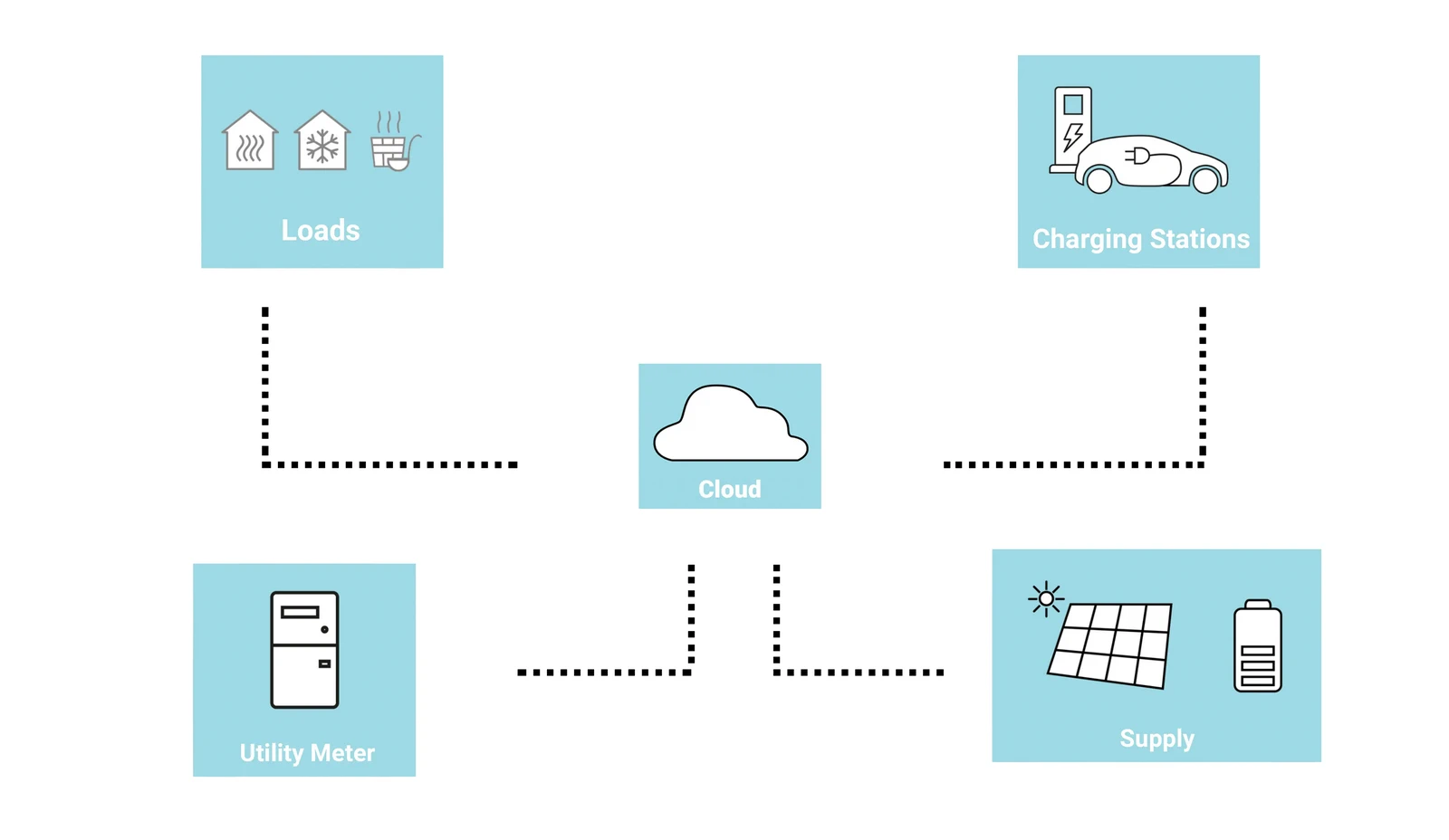
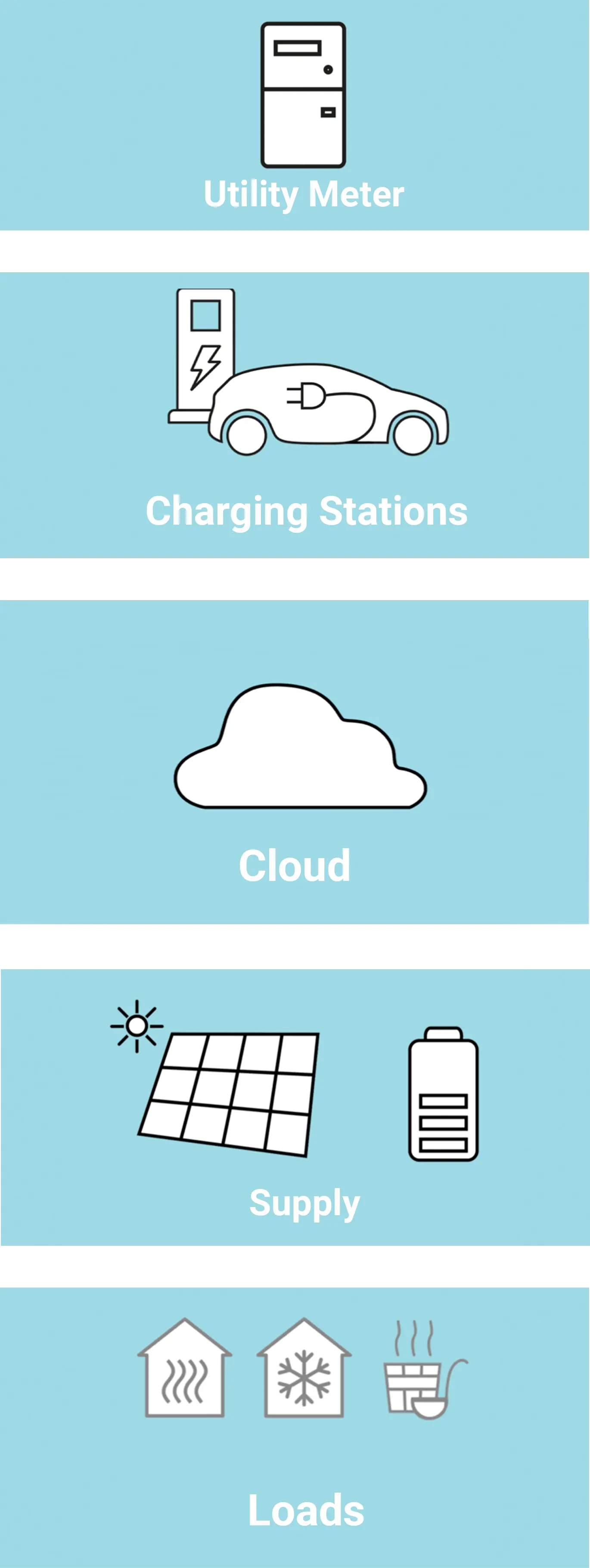
Cloud + Controller
STRUCTURE
STRUCTURE
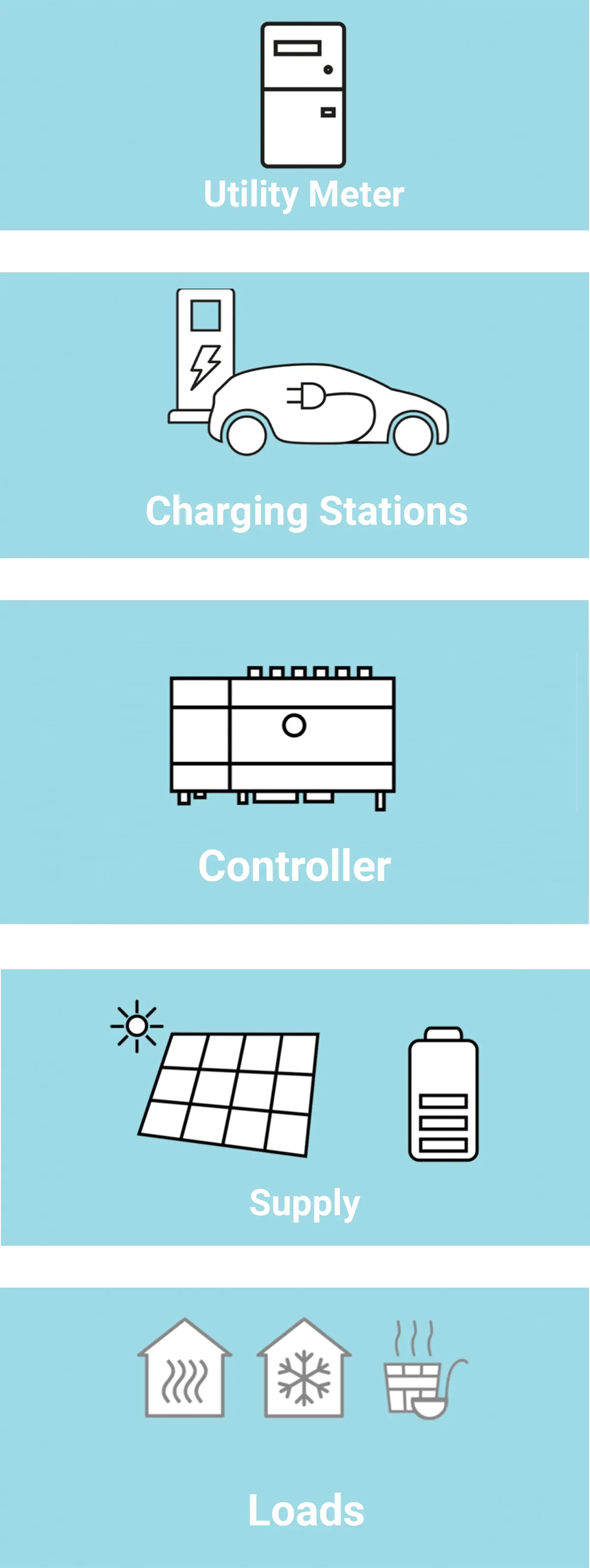
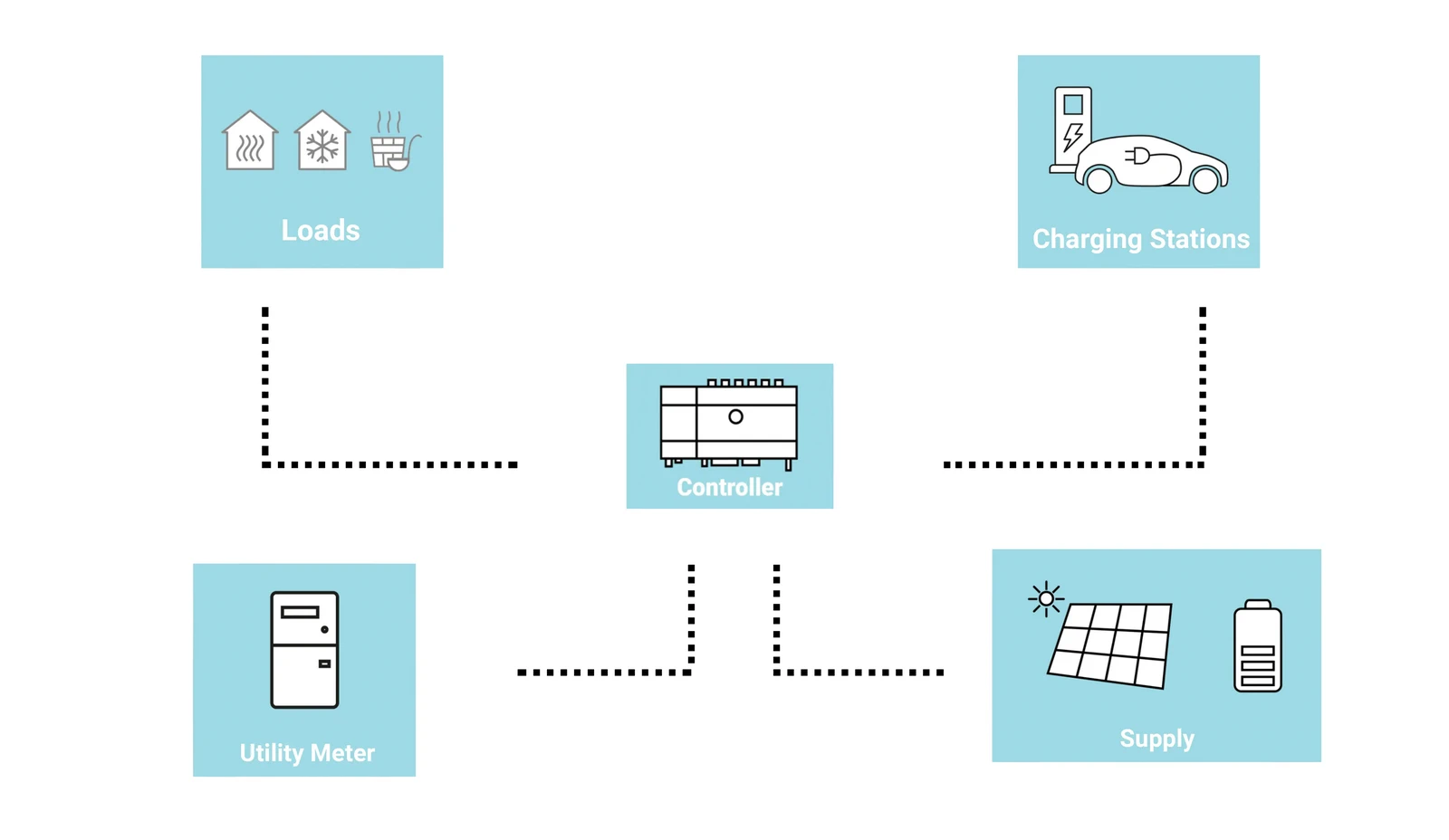
Systems in operation
Chargepoints active
Metering devices
Years on market

E-Mobility and OCPP Backend
emPower enables the integration of charging stations via various interfaces. It offers functions for controlling the charging power to prevent overloading the grid connection and optimizing charging according to hourly tariffs.
- Various interfaces: OCPP 1.6, Modbus TCP/RTU and custom APIs
- RFID authorization
- Ecological charging according to Day-Ahead tariffs
- pricing per charging session
- restrictions per user: energy-limit, power-limit, time-limit, ...
The system enables equal load distribution at multiple charging points and allows prioritization by station or user, as well as time-based staggering. It records all charging processes and allows authorization via RFID.
The load management of the charging stations ensures that target values are maintained by reducing the charging power during peak times. Configuration tasks can be carried out without programming knowledge.
emPower for Peak Load Optimization
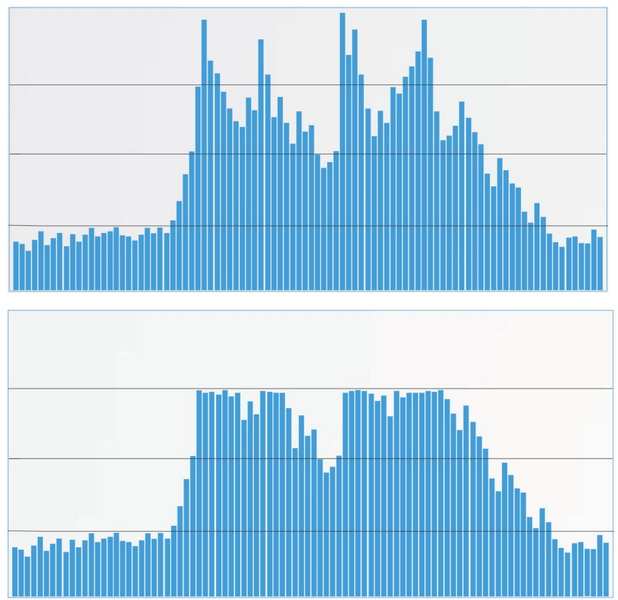
For customers with load metering, energy use is tracked every 15 minutes. The
highest 15min value annually determines power pricing, typically around 50 euros per
kilowatt in Germany. For a peak of 200 kW, the annual cost is 10,000 euros.
Real-time monitoring and load management by emPower can reduce power usage in
systems like air conditioning and heating. This could cut the annual peak by 20 to
25%, saving 2,000 to 2,500 euros yearly (using the previous example).
Particularly in the field of e-mobility, peak load management can avoid high costs
due to the possible extremely high charging currents.
- Load shifting
- Battery storage utilization
- Self optimizing peak load

emPower Cloud Technology
The emPower Cloud is state of the art:
- AWS serverless infrastructure
- Secure, Scalable, Reliable
- Technology in use: TypeScript, React, NodeJS, Python, MQTT, GraphQL, REST, OCPP
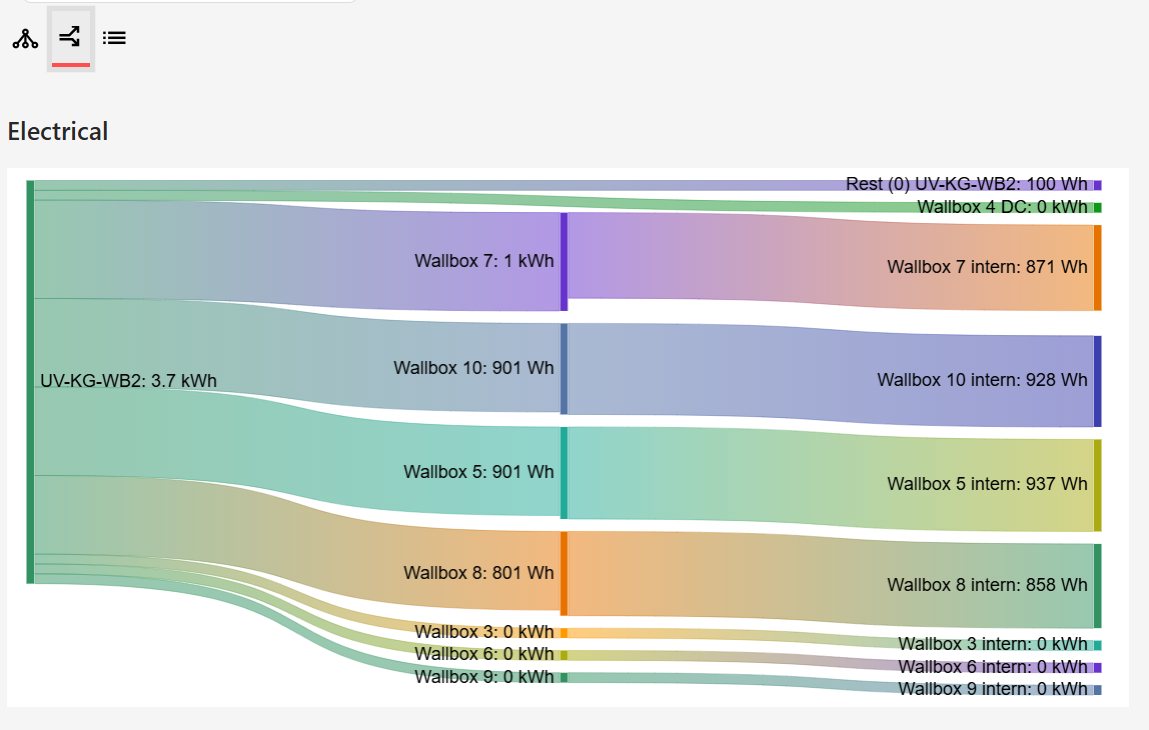
Monitoring
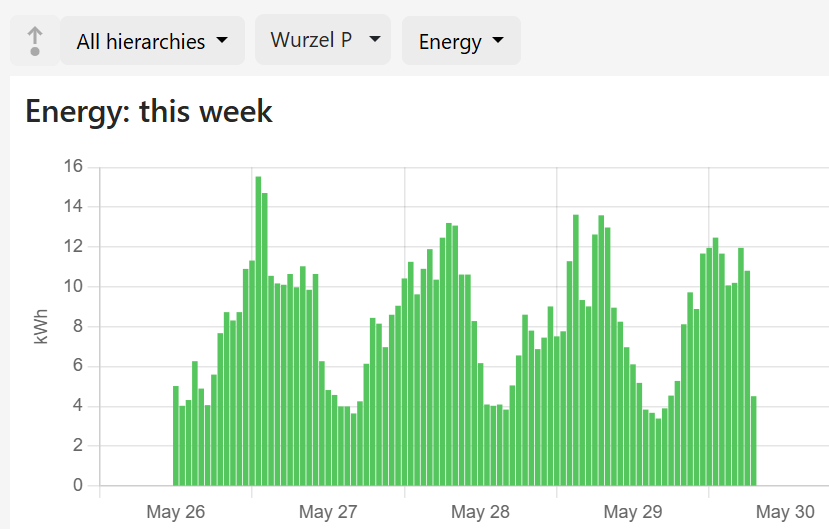
With emPower, you can record and analyze all consumption data (electricity, water,
heat) for your facility. You can track real-time data and display historical data in
various aggregations and formats. Alarms are triggered in case of irregularities or
excessive consumption. Reports can be generated flexibly and automatically sent via
email on a regular basis (e.g., in Excel format).
Features include:
- Bar charts, Line charts
- Meters in hierarchical view
- Sankey energy flow diagram
- Analog trends, e.g., temperatures
- Recording of meter readings
-
15-minute power real-time monitor
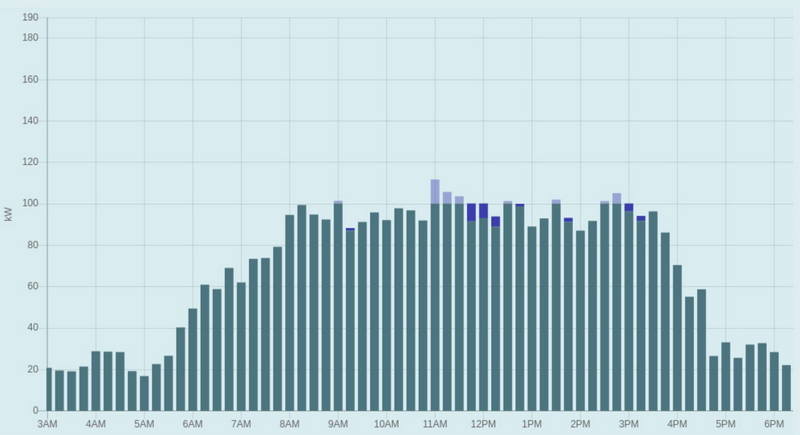
Tariff Calculator
Calculating the costs for peak load usage is not trivial. The amount is included in the network service costs and is usually not explicitly shown. For this reason, many customers do not immediately notice these costs and see the peak load costs as potential savings potential.
- Calculation of energy costs, including peak load costs
- Calculate the potential savings from installing an energy management system ike emPower
- Use real energy data from your own consumption
- Simulate effect of battery storage
To start your calculation, send an
e-mail
to get the link to the embyt tariff calculator.
Notice, that it is only available in German language.
F.A.Q
Frequently Asked Questions
-
How does the OCPP backend work in emPower?
The OCPP backend of emPower allows direct registration of charging stations with the backend. The system records all charging sessions, controls the charging power, and enables authorization via RFID.
-
We already use Monta/ChargePoint/Smatrics... but need load management. How to
achieve this?
Through the OCPP gateway function, load management can be performed locally via the embyt controller, which then logs into your OCPP backend. It is also possible to have a primary backend for authorization and payment purposes, and the embyt backend for logging, monitoring and load management. -
Does emPower also support the ecological charging of electric vehicles?
Yes, by using Day-Ahead tariffs such as the “hourly” tariff from aWATTar. It also supports PV self-consumption optimization and meets grid operator requirements.
-
Can I customize load management for multiple charging points individually?
Yes, emPower allows even load distribution and provides the ability to prioritize by station or user, as well as to set time-based staggers. This ensures efficient use of the charging infrastructure.
-
How does emPower achieve lowering the peak load?
Peak loads that are well above the average consumption arise often by chance, when many large energy loads are unnecessarily switched on simultaneously. Oftentimes, heaters may be turned off for a short time without a noticeable deficiency. Also air conditioning or compressors can be switched off for some time as the cold is stored for some time anyhow. Similarly, many other loads can be located, which may be reduced in consumption under certain conditions at peak loads.
With emPower, these conditions are programmed graphically, so the system is completely self-sufficient to make appropriate interruptions at peak loads. The programming is carried out via an intuitive graphical system, so that no knowledge is required that goes beyond the knowledge of a skilled electrician. -
Does emPower offer an API to integrate it in our companies SCADA system?
There is a REST and a GraphQL API available. By that you can get trending data as well as realtime data.